- Film
- Zorba the Greek (1964)
- Director
- Michael Cacoyannis
- Composer
- Mikis Theodorakis
- Bouzouki
- Giorgos Zampetas
- Reach
- 3 Oscars · Cannes · Olympic Games 2004
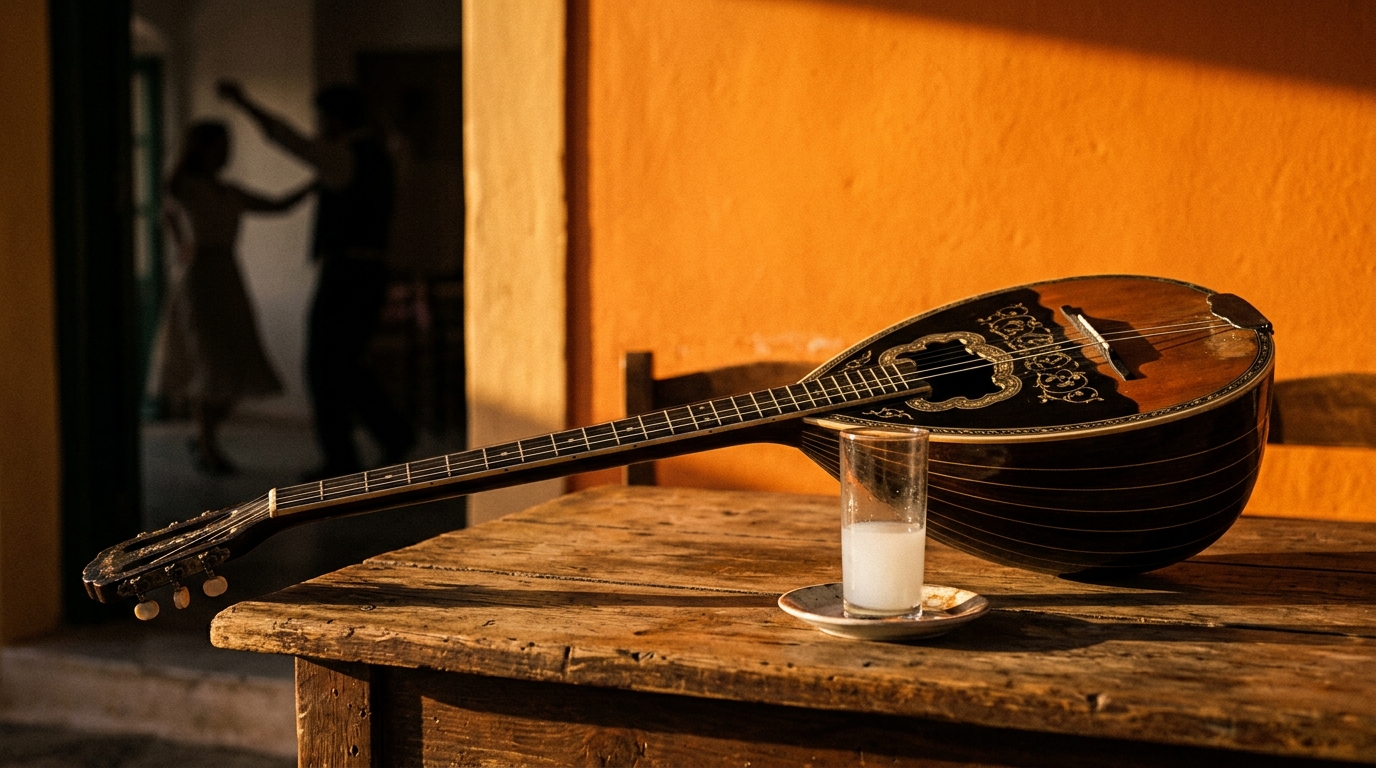
Before 1964 the bouzouki was a tavern instrument with a criminal record. Rebetiko, the urban folk genre it powered, had been banned in Greece off and on since the 1930s — police would smash bouzoukis in dockside tekedes in Piraeus the way American officers broke up speakeasies. The instrument carried the smell of hashish and refugee camps. Then Anthony Quinn danced on a beach in Crete, and within ten years the bouzouki was on Olympic stages.
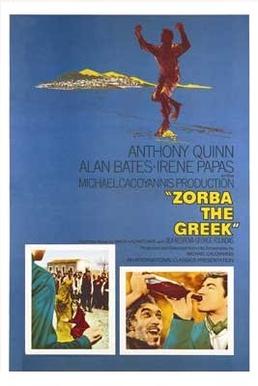
The film was Zorba the Greek. The composer was Mikis Theodorakis. The single melodic line that did the work — eight bars, played on twin bouzoukis tuned in fourths — is now called sirtaki, even though sirtaki the dance did not exist before the film was shot.
The dance that didn't exist
Anthony Quinn had injured his foot during shooting. Cacoyannis had written a fast, athletic hasapiko for the final beach scene. Quinn couldn't manage the choreography, so he asked Theodorakis to slow the music down and let him improvise. The result was a tempo that starts almost mournfully and accelerates into joy — a fundamentally new dance built around an actor's limp.
Theodorakis simply renamed it sirtaki, a diminutive of syrtos (one of the oldest Greek folk dances). In 1965 it didn't exist. By 1972 it was being taught in tavernas from Athens to Astoria, Queens.
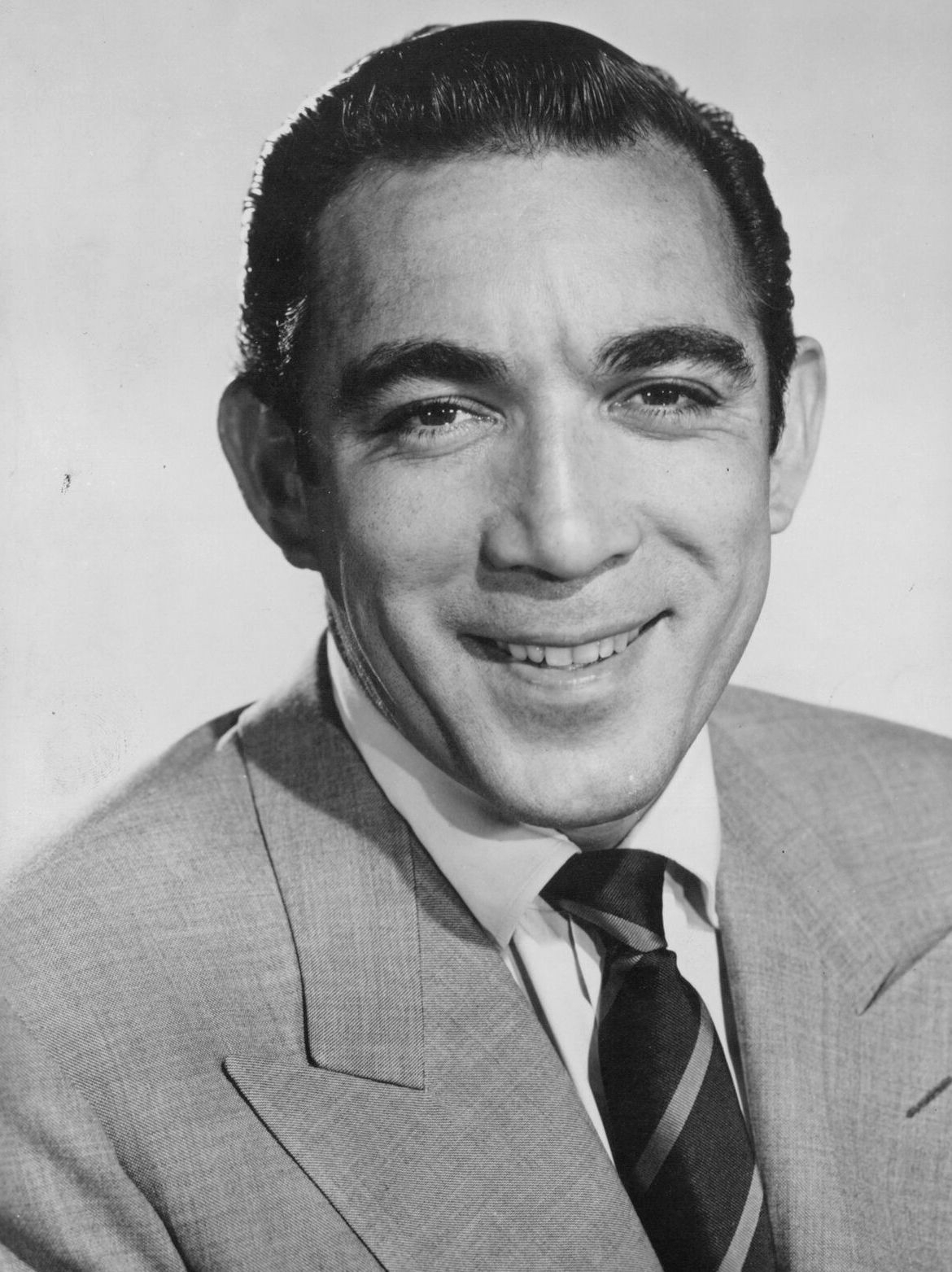
Theodorakis: the composer politician
Mikis Theodorakis wrote the score in seven days. He was already a major art-music composer — symphonies, ballets, oratorios on Pablo Neruda and Federico García Lorca. But he had also spent years arguing in print and in concerts that Greek classical music had to embrace the bouzouki, that pretending the instrument was beneath the symphony was a kind of national self-loathing.
The Zorba score made the argument moot. Within five years of release, conservatory composers across the Balkans were writing bouzouki parts into chamber music. By the 1990s, Yo-Yo Ma's Silk Road Project was including laouto (the bouzouki's larger cousin) on world-tour programmes.
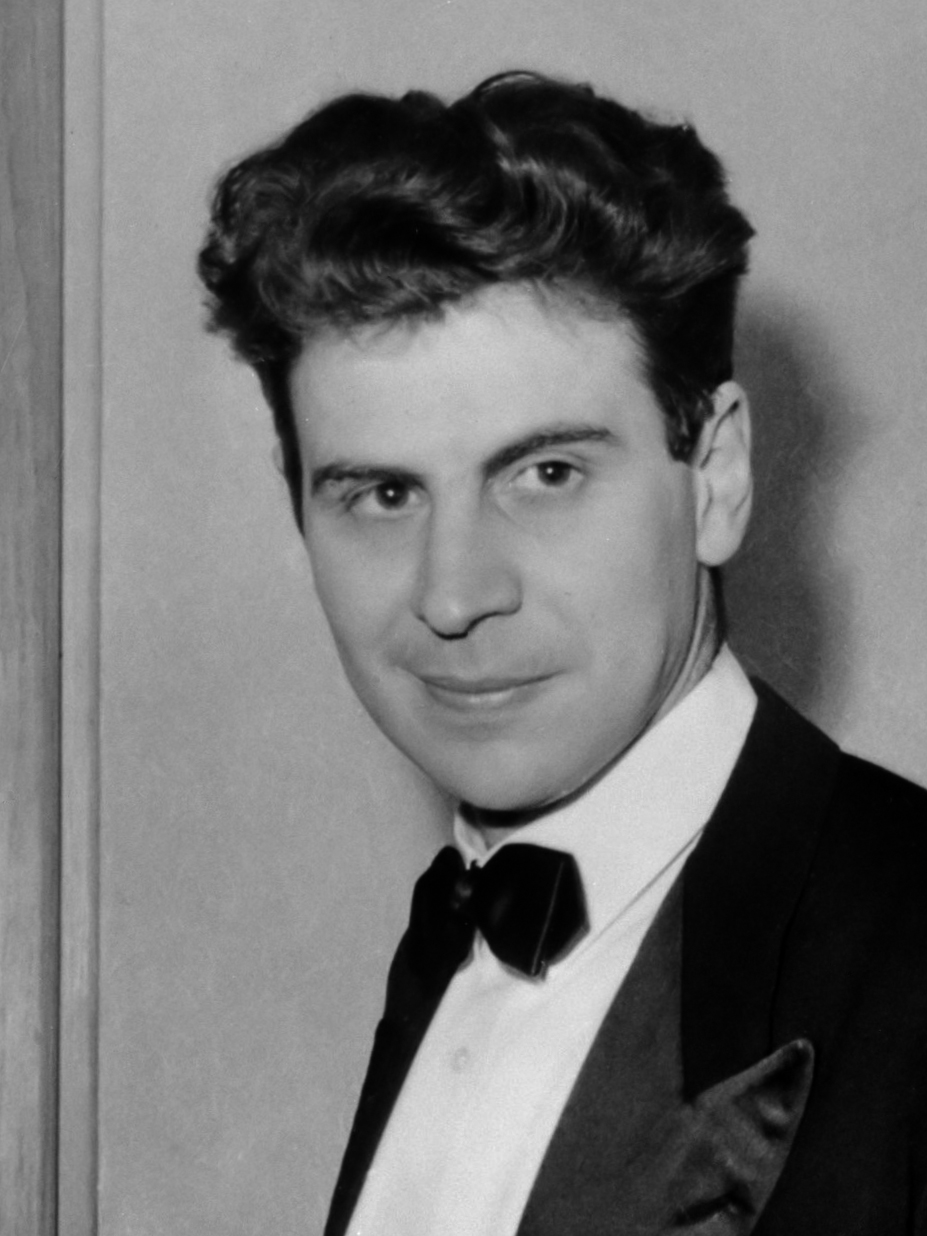
Theodorakis went on to score the soundtrack for Costa-Gavras's Z (1969) — a political thriller that won the Academy Award for Best Foreign Film — and was imprisoned by the Greek junta from 1967 to 1970 for his communist politics. The same year Z won, his music was banned in his own country and selling millions of copies in France. The bouzouki, once the instrument of dockside outlaws, had become the sound of resistance.
What the bouzouki actually does
The bouzouki in the Zorba score is a tetrachord (4-course) instrument, tuned D — A — D — A in unison and octave pairs. That tuning, called kournia, is what makes the famous theme bounce between bright fifths and ringing octaves. Theodorakis used two bouzoukis playing the same line in parallel thirds — one of the oldest tricks in rebetiko, but voiced for a Hollywood soundstage rather than a smoky basement.
Maqam carries the tetrachord tuning and the older trichord (3-course) tuning used by Markos Vamvakaris and the founding generation of rebetiko players. Auto-detect handles both. The signature is the open-string ring against the bridge — pluck any course and the app finds your tuning in under a second.
After Zorba
The bouzouki appears in every major Olympic ceremony Greece has hosted. It is the de-facto national instrument when the country wants to be seen abroad. American film composers reach for it whenever a movie wants a Mediterranean texture without committing to Italy — see Mediterraneo (1991, Oscar for Best Foreign Film), The Wedding Crashers, the soundtrack to Big Fat Greek Wedding. None of it would exist as a recognisable shorthand without Theodorakis's eight bars.
One score. One dance that didn't exist. One instrument promoted from criminal to ambassador in the space of a single afternoon on a Cretan beach. That's the bouzouki's twentieth century.
 GET
GET