- Game of Thrones
- 2011–2019 · 73 episodes · Ramin Djawadi (composer)
- Black Hawk Down
- 2001 · Hans Zimmer + Lisa Gerrard
- Audience
- GoT averaged 19+ million viewers per episode at its peak
- Featured instruments
- Ud (oud) · Armenian duduk · Hammered dulcimer · Cello
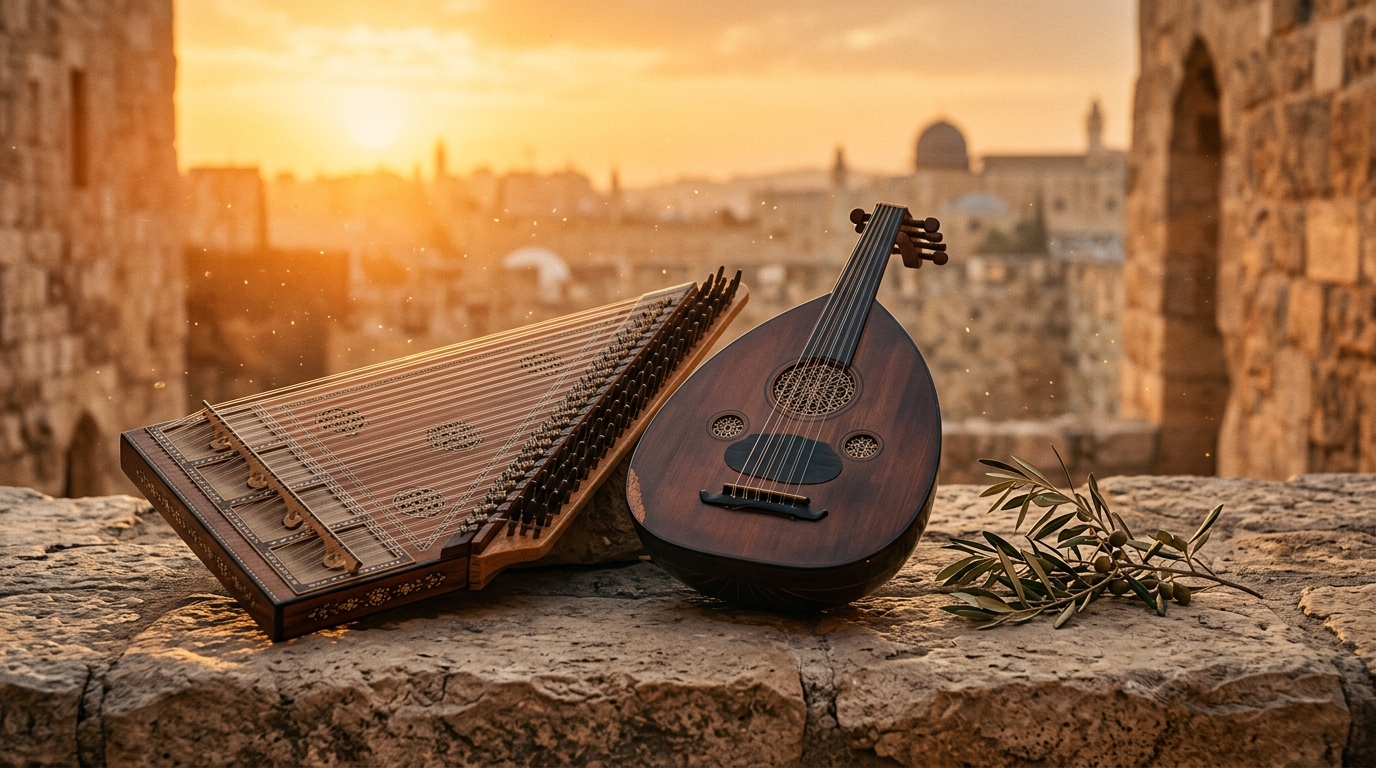
If you watched Game of Thrones during its eight-year HBO run, you spent more time listening to the ud than to any other instrument on the show — including the cello that opens the main theme. The pulled, mournful Eastern strings sat under almost every Dornish, Essosi, and Targaryen scene. Ramin Djawadi, an Iranian-German composer who had apprenticed under Hans Zimmer at Remote Control Productions, used the ud and the Armenian duduk so consistently that, by season four, the instruments had become the show's emotional ID.
Djawadi's House Targaryen theme
Djawadi wrote a separate theme for every major House. House Stark got the cello (Northern, austere, modal). House Lannister got brass (martial, decadent). House Targaryen got the ud.
The Targaryen theme — first heard in season one, then expanded for Daenerys's storyline — is built on the Arabic maqam Bayati: D, half-flat E, F, G, A, half-flat B, C, D. That half-flat second (the nim hicaz perde) is the harmonic identity of Bayati and one of the most common note-rows in Arabic music. Djawadi did not import the perde in passing; he made it the centre of the most famous family in the show.
The ud carries it. So does the duduk underneath. Together they signalled, every time Daenerys walked into a scene, that we were in a continent that does not run on Western harmony.
Why Djawadi had this vocabulary
Ramin Djawadi was born in Duisburg to an Iranian father and a German mother. He grew up listening to Persian classical music at home and Hans Zimmer scores in the cinema. When Zimmer hired him at Remote Control in the early 2000s, Djawadi spent years inside the most influential film-music workshop of his generation — the one that scored Gladiator, Pirates of the Caribbean, The Dark Knight, Inception. The workshop taught him synth orchestration and large-ensemble logistics. His own ear gave him the modal vocabulary.
By 2007 he was scoring Iron Man. By 2011 he was on Game of Thrones. By 2019, his Westworld and House of the Dragon scores were extending the same Eastern-strings vocabulary into HBO's next prestige cycle.
Hans Zimmer's Black Hawk Down (2001)
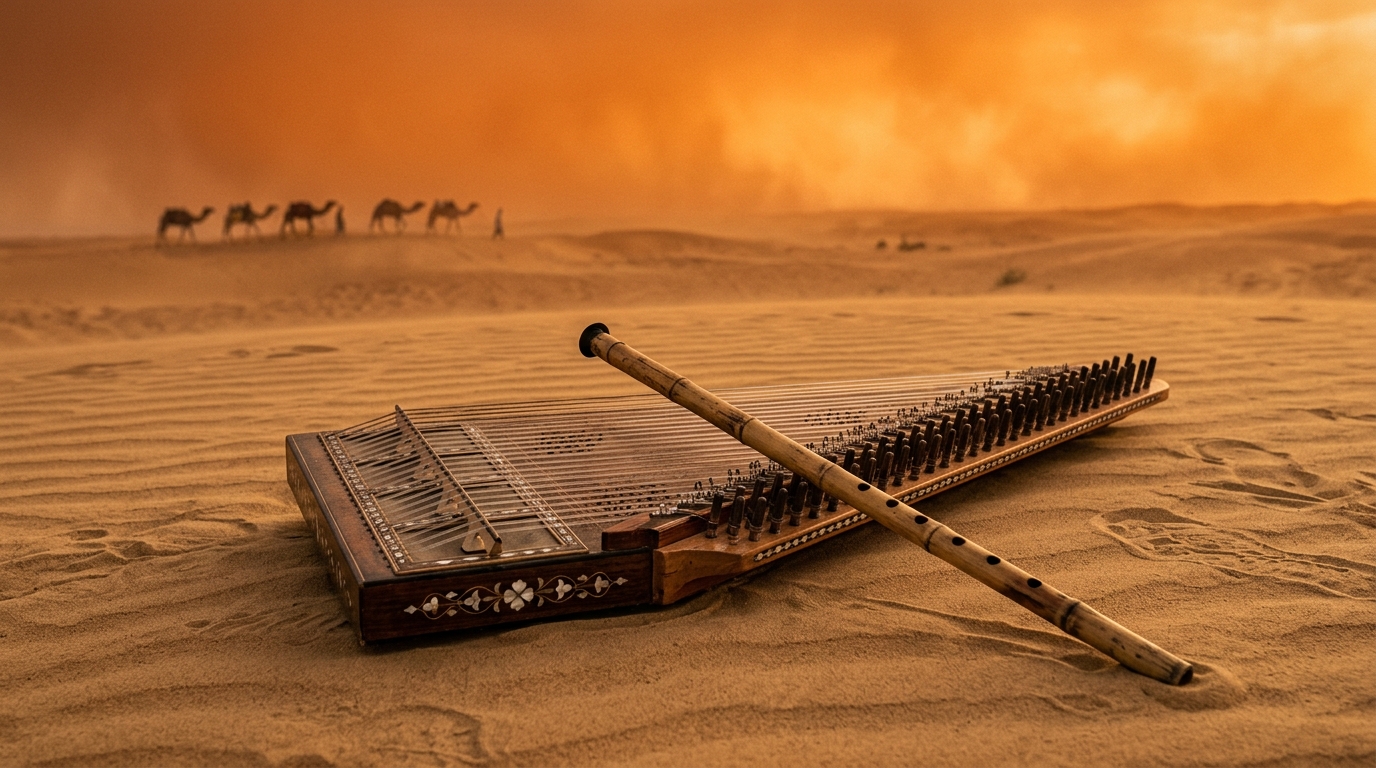
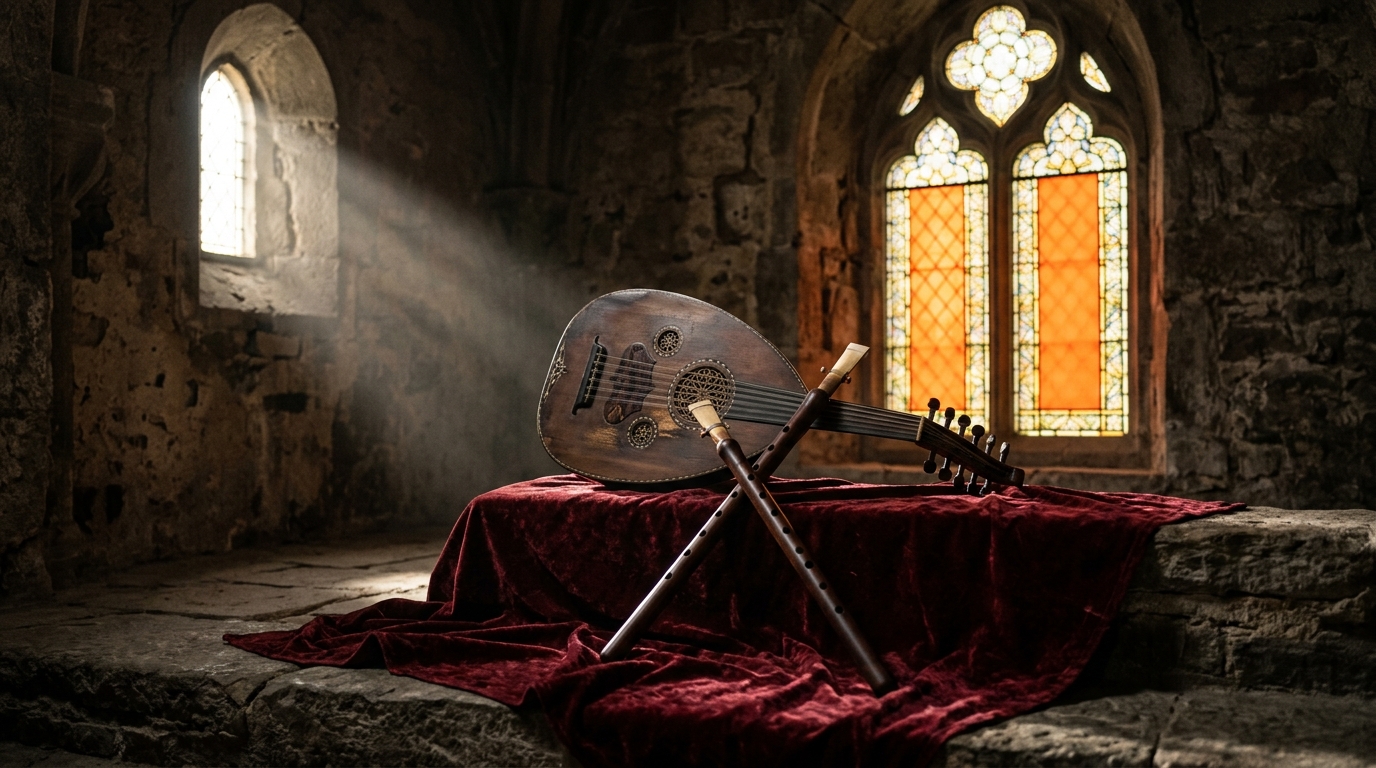
Seventeen years before Game of Thrones, Hans Zimmer scored Black Hawk Down — Ridley Scott's film about the 1993 Mogadishu raid. Zimmer worked with the Australian-Greek singer Lisa Gerrard (of Dead Can Dance) on the vocal work, and assembled an instrumental palette that included the ud, the kanun, the kemençe-like Persian kamancheh, and the duduk. The result is one of the most-imitated film scores of the early 2000s.
What Zimmer did in 2001, and what Djawadi extended in 2011, was treat Eastern instruments not as decoration but as narrative voices. The ud in Black Hawk Down carries the score's central lament. The duduk in Gladiator (also Zimmer + Gerrard, 2000) gave the Roman general's death an Armenian elegy. Hollywood has not put that genie back in the bottle since.
After Game of Thrones
By the late 2010s every prestige drama that wanted to suggest "old world depth" was reaching for the ud. House of the Dragon (2022, Djawadi continued); Foundation (2021, Bear McCreary); The Wheel of Time (2021); Shadow and Bone (2021). Even Star Wars: Andor (2022) used a kanun-adjacent texture in its desert sequences. The vocabulary Jarre opened in 1962, that Zimmer brought into post-9/11 Hollywood action, and that Djawadi made into a TV ID, is now standard prestige-score grammar.
What Maqam carries
The instruments Djawadi reached for are the instruments Maqam was built to tune:
- Ud — three Turkish tunings + the Arabic standard for Bayati and Hicaz
- Tanbur — for the long fretted lines that Djawadi sometimes layered under the ud
- Kanun — when the score needed plucked motion against the ud's melody
- Klasik kemençe — the pear-shaped Istanbul bowed fiddle, close cousin to the Persian kamancheh that scores like Black Hawk Down use
Auto-detect handles all of them. The ud's bass-string signature, in particular, locks under a second.
The shift
What changes when a prestige TV show centres a non-Western instrument is the listening culture of its audience. Twenty million people who watched Game of Thrones now have an ear for the half-flat second of Bayati, even if they have never heard the word maqam. They will recognise it on the next score that uses it, on the next album that arrives, in the next Anouar Brahem release. That recognition is the precondition for any new generation of ud players to find an audience.
Djawadi made the ud familiar to the West without making it Western. That is the harder trick.
 GET
GET